


Mid-market and enterprise companies often search for an external product design firm with one primary question in mind: Can they execute the technical work? The instinct is understandable. Product development involves high stakes—tight timelines, high costs, regulatory considerations, and unknown risks. But while technical execution is essential, research shows it’s rarely the core reason projects derail.
The PMI Pulse of the Profession survey (Pulse of the Profession (2020) | PMI) reports that 34% of project failures stem from inadequate project management, while only 18% are caused by technical challenges. In other words, the wrong management structure derails more products than weak engineering ever does.
This insight has major implications for anyone outsourcing industrial design, engineering, or product development services. Yes, you should evaluate a portfolio—but the bigger predictor of success is who is accountable, how they communicate, and whether they run a structured, predictable delivery process.
Many design and engineering firms operate using internal silos: one person handles CAD, another leads research, a third manages vendors, and a client-facing “project manager” sits in between. Although logical from an internal perspective, this model often creates what researchers call accountability diffusion, where responsibility spreads so thin that no one feels truly responsible for outcomes.
For clients, accountability diffusion often looks like:
In contrast, strong product development services—at any scale—assign direct accountability, not just task delegation. The challenge isn’t simply managing tasks; it’s making sure someone is continuously thinking ahead, anticipating risks, and adjusting the approach as the product evolves.

If you’re evaluating an external product development partner, portfolio quality is just a starting point. A better indicator of success is how the firm structures responsibility. Here are signals of a strong management approach:
1. A Single Point of Accountability
The critical question isn’t who is working on the project?—it’s who is personally responsible for the final result? Strong firms provide one visible owner, not a “collective” who rotates responsibilities.
2. Transparent Weekly Reporting
Research from McKinsey shows that agile product teams that maintain tight, transparent communication improve success rates by up to 67%.
Look for short, predictable reporting cycles covering:
3. Decision Strategy, Not Just Deliverables
Top firms don’t simply send a folder of CAD files and call it quits. They explain why decisions were made, what alternatives were considered, and how each step reduces risk. This advisory layer is where the real value of a design partner emerges—especially for companies that already have internal teams and need complementary thinking rather than raw labor.
4. Consistency Over Flash
A polished portfolio is useful, but Fortune 100 buyer studies show that predictability and communication rate higher than creative output when selecting a design partner.
Experienced buyers care about scalability of process, not just visual appeal.
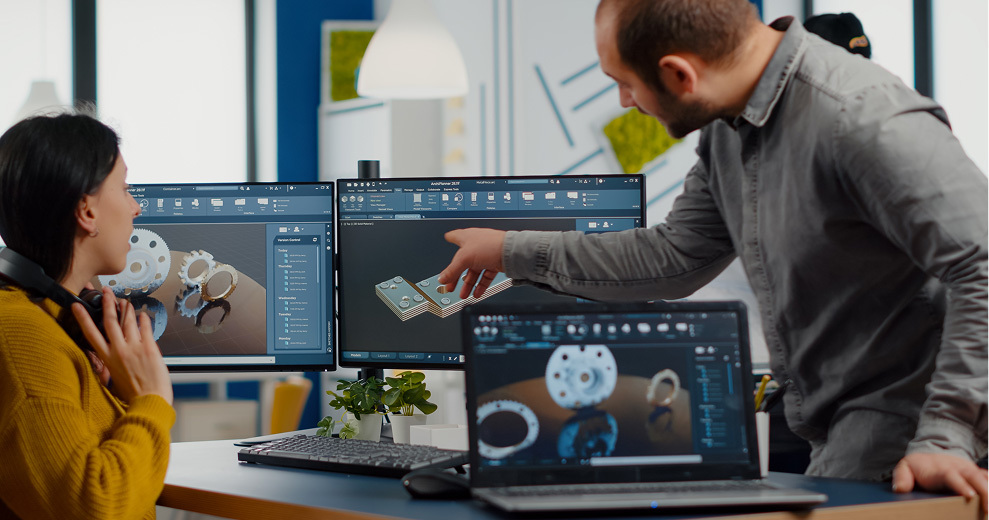
At Emergnt Design Labs, I’ve structured our services to prioritize direct responsibility. While our team includes specialized engineers and industrial designers, I personally serve as the single point of accountability throughout every engagement. Clients don’t get passed between account managers or shuffled into internal handoffs. They get one person who understands the business goals, the engineering details, and the product strategy—and who stays with the project from discovery to release readiness.
Our updates are weekly. Concerns are raised early, not wrapped in optimism. Decisions come with rationale, not just files. And whether a client needs a full industrial design solution or a focused engineering effort, they always know who to talk to—and who stands behind the work.
If you’re exploring product design firms, don’t just ask for capability. Ask for accountability. In the long run, that’s what protects timelines, budgets, and product quality—and it’s where a partner should prove their value before any models are built.
If you’d like to see how we manage projects at Emergnt, feel free to reach out. I’m always happy to share our process, even if it simply helps you evaluate other firms more effectively.
